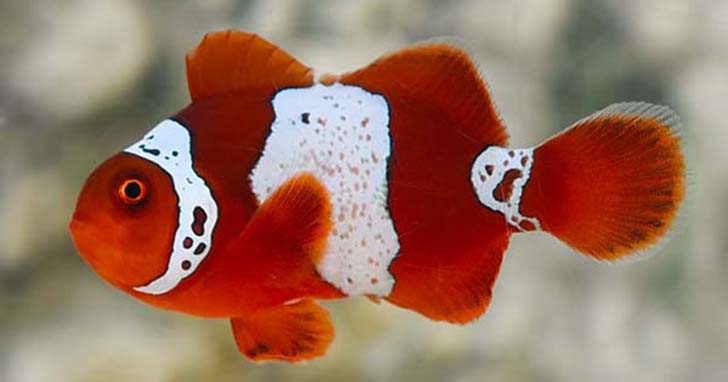
Clownfish are an absolute joy to keep, not just for the sake of kids who have an absolute fascination with these wondrous species due to the evolution of Clownfish through pop culture, but also for amateur aquarists fascinated with having their very own Nemo in their own home. However, before turning a child’s enthusiasm into a lasting hobby, understanding the requirements of having your very own Nemo is absolutely paramount.
Along with owning an aquarium comes an ethical responsibility to care for a living creature, one that is susceptible to health problems or stress unless you are diligent, attentive and compassionate in the way you treat its environment - just like any other pet. Saltwater aquarium keeping is not a passive hobby between viewer and fish. It is an interaction between caretaker and precious marine life in a carefully established microcosm of an ocean reef.
For first timers, we encourage new aquarists who may not be familiar with aquarium keeping at all, to start with a freshwater setup in an effort to get your feet wet, so to speak. Learn the basic fundamentals and care requirements before venturing into saltwater aquarium keeping. We offer a variety of smaller, freshwater desktop aquarium kits that would be ideal for children. We also offer a wide variety of colorful and easy to care for freshwater fish that are ideal for beginners.
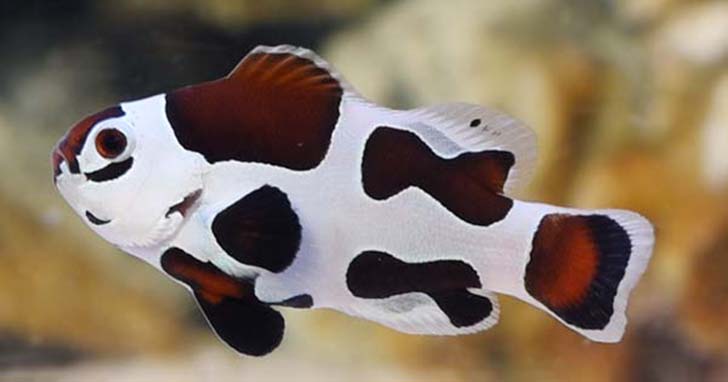
Setting up and maintaining a saltwater aquarium with the proper equipment to support clownfish is a relatively demanding task. An Ocellaris Clownfish, which Nemo most closely resembles, requires an aquarium of at least 20 gallons, not to mention adequate filtration, pumps, water supplements, reef structure (live rock and sand), and required diets by species. Initial setup costs may range from $300-$500 or more, depending on the equipment and clownfish species you choose.
It's also important to note that aquarium environments take time to mature before you should safely add your first fish. This process takes 4-5 weeks, especially if live rock will become part of the setup. Does your child have the patience to watch a virtually empty aquarium for over a month before his or her first clownfish arrives?
Once established with clownfish, your new aquarium will require regular cleaning and maintenance, including daily feeding and observation, frequent water changes, filter replacement, trace elements, and upkeep of integrated equipment.
On the positive side, Clownfish are ideal beginner fish, since they are easy-to-care-for, hardy, and don't require a huge aquarium to survive happily. Because wild clownfish always stay in or near anemones in a reef environment, they require very little space. They readily eat most fresh, frozen, and dried foods. Plus, provided that there are no predators in their tank, they typically have a reasonably lengthy life span.
Keeping clownfish can also add a new element of fun to your family life. If fed on a consistent schedule, clownfish will quickly learn to anticipate feeding time, swim to the top of the aquarium, and "beg" for food. And since clownfish rarely swim long distances, their wobbly swimming style is rather clumsy and humorous . . . hence their common name.
These intelligent, curious fish offer educational rewards, especially for children who are not familiar with fish or aquariums. Because clownfish in a home aquarium are not under the constant threat of predators, they can roam, feed, and reproduce without worry - providing interesting illustrations of fish behavior. Most importantly, aquarium keeping teaches an appreciation for the delicate balance of reef life and advances the ideals of conservation and environmentalism among hobbyists.
Dozens of varieties of clownfish are now being successfully bred in aquariums and farm raised by hatcheries like Oceans, Reefs, and Aquariums™ (ORA™), as well as private breeders across the country, offering aquarists a conservation-minded alternative to net-collected fish. Captive-bred species generally are easier to acclimate, feed, and raise in home aquariums while helping preserve ocean reef populations. We encourage any new hobbyist to ask their retailer for captive-bred species when available.